
What Makes Villa Living in Sonipat Different from Apartment Living?
Choosing a home involves more than comparing prices, layouts or locations. The type of residence also influences everyday routines, personal space, family interactions and the freedom to use your living environment. In Sonipat, homebuyers exploring different residential options may find themselves comparing independent villa living with apartment-based communities.
Both options have their own advantages. Apartments often offer shared facilities and a community-oriented environment, while villas generally provide greater independence and more control over personal spaces. Understanding these differences can help families decide which type of home better matches their expectations. For those researching residential villas in Sonipat, looking beyond the number of bedrooms and considering the overall living experience is equally important.
Understanding the Difference Between Villa and Apartment Living
A villa is generally an independent residential unit with its own entrance and defined living spaces. Depending on its design, it may include private outdoor areas, multiple floors, parking space and room for personal modifications.
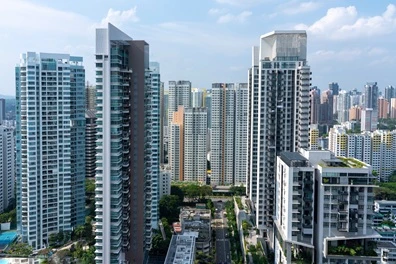
An apartment is usually part of a larger residential building where multiple households share common facilities such as entrances, lifts, corridors, parking areas and recreational spaces.
The main difference is how residents experience their surroundings. Villa living often allows more independence, whereas apartment living brings residents closer together through shared spaces and building facilities. Neither option is automatically better; the right choice depends on the lifestyle a household wants to maintain.
1. Independent Living Compared to Shared Residential Spaces
One of the most noticeable differences between villas and apartments is the level of independence.
Villa residents generally have a separate entrance and a more defined residential environment. They can organise their interiors, manage visitors and use available spaces according to their household routines, subject to applicable community rules.
Apartment residents share several parts of the building with other households. This creates opportunities for interaction and a sense of community, but it also means residents need to consider shared arrangements.
For families who prefer a more independent residential setting, a villa may feel more suitable. Those who enjoy living close to neighbours and using common facilities may appreciate apartment communities.
2. How Home Layout Influences Everyday Family Life
The layout of a home affects how comfortably family members can manage their daily activities. Villas often have layouts spread across different floors or sections, allowing households to create separate areas for different purposes.
For example, a family may use one section for everyday activities, another for bedrooms and an additional room as a study, workspace or guest area. This arrangement can be useful when several generations live together or when family members follow different schedules.
Apartments usually have a more compact layout, with rooms arranged on a single floor. This can make movement between spaces easier, particularly for smaller households.
The decision depends on whether a family prefers a vertically or horizontally organised home and how much usable space it requires.
3. Privacy and Personal Space in a Residential Setting
Privacy is another important factor when comparing these two housing options.
In a villa, the independent entrance and separation from neighbouring homes can create a greater sense of personal space. Residents may also have more flexibility in organising their outdoor and indoor areas.
Apartment living involves closer proximity to other residents. Shared walls, balconies and common corridors can make everyday activities more connected to the surrounding households.
For people who work from home, have children or prefer quieter surroundings, privacy may become an important part of the decision. However, actual privacy depends on the property's design, construction, layout and surrounding environment.
4. The Role of Outdoor Areas in Daily Living
Outdoor space can influence how residents use their homes beyond indoor activities.
Depending on the design, villas may include private gardens, terraces, balconies or open areas. These spaces can be used for gardening, children's activities, family gatherings or simply spending time outdoors.
Apartments may offer balconies or shared gardens, depending on the residential development. Residents can also benefit from common recreational areas without having to maintain a private garden.
The difference is mainly about access and control. A villa may offer more opportunities to personalise an outdoor area, while an apartment community may provide shared spaces for recreation and social interaction.
5. Flexibility to Personalise Your Living Environment
Homeowners often want their residence to reflect their preferences and changing family requirements.
Villa owners may have greater flexibility to personalise interiors, organise rooms and make certain property modifications. The extent of these changes depends on building regulations, approved plans and applicable community guidelines.
Apartment owners can also customise interiors, furniture arrangements, lighting and other permitted features. However, changes affecting the building's structure, exterior or shared areas are generally subject to additional restrictions.
For households that value individual design choices, this difference can influence the final decision. It is important to understand the property's modification rules before making any commitments.
6. Community Interaction and Neighbourhood Life
The residential environment plays an important role in shaping social experiences.
Apartment communities often bring residents together through shared entrances, lifts, gardens, clubhouses and recreational facilities. These common areas can make it easier for neighbours to interact and participate in community activities.
Villa neighbourhoods can offer a different experience. Residents may enjoy more individual space while still being part of a residential community. Social interaction often takes place through neighbourhood events, nearby parks and local gatherings.
Families with children may consider the availability of safe play areas, recreational facilities and opportunities to interact with other residents. The overall neighbourhood environment matters as much as the type of home.
7. How Maintenance Responsibilities Differ
Maintenance is an important practical consideration that can affect the convenience of everyday living.
In apartment buildings, several responsibilities are usually managed collectively through a maintenance team, housing society or management body. These may include lifts, corridors, common lighting, security arrangements and shared recreational spaces.
Villa owners may need to take more direct responsibility for their individual property. This can include maintaining gardens, exterior areas, plumbing, electrical systems and other private facilities.
Some villa communities also have shared maintenance arrangements for common roads, security and other facilities. Therefore, buyers should understand which services are included and what responsibilities remain with individual homeowners.
8. Evaluating the Long-Term Suitability of a Home
A home should support not only present requirements but also the changes a family may experience over time.
A growing family may need additional rooms, study areas or more space for different activities. Villa layouts can offer opportunities to organise separate spaces, depending on the property's design and permissions.
Apartments may suit households that prefer a more manageable layout and fewer individual maintenance responsibilities. Their suitability also depends on the available configuration, building facilities and location.
Before making a decision, families should consider how long they intend to stay, whether their household size may change and what kind of living environment they expect in the coming years.
9. Why Sonipat Is Worth Considering for Residential Living
Sonipat is attracting attention from homebuyers evaluating residential options in the wider Delhi NCR region. Its location in Haryana, access to important road networks and developing industrial and institutional areas contribute to its relevance in residential property discussions.
The city offers different types of residential choices, including apartments, independent homes and plotted developments. This gives buyers an opportunity to compare housing formats based on their preferred lifestyle and requirements.
Through Royal Green County Sonipat, Royal Green Realty has a presence in Sonipat's residential plotted property segment. The project is relevant for homebuyers researching plotted residential options in the region, particularly those who want to evaluate the possibility of planning an independent home.
For buyers comparing villas and apartments, it is useful to understand that a residential plot and a ready-built home are different property options. A plot allows buyers to consider constructing a home according to permitted plans, whereas an apartment or villa may already have a defined layout and construction.
10. How Villa Living Can Shape a Family's Lifestyle Over Time
Villa living can influence how a family uses its home as everyday requirements change. Having separate rooms, additional living areas or private outdoor spaces may make it easier to accommodate different activities under one roof.
Children may have dedicated spaces for studying and playing, while adults can maintain separate work or relaxation areas. Families living with elderly members may also value the possibility of organising rooms according to accessibility and comfort requirements.
Another consideration is the ability to make permitted changes to the living environment over time. A household may want to update interiors, reorganise rooms or improve outdoor spaces as its needs evolve.
These possibilities depend on the property's design, construction quality and applicable regulations. Still, the opportunity to have a more individually organised residential environment is one of the reasons some families prefer independent homes.
Frequently Asked Questions
1. What is the main difference between villa living and apartment living?
Villa living generally offers greater independence, separate entrances and potentially more private outdoor space. Apartment living usually involves shared building facilities, common areas and a more compact residential layout.
2. Are villas suitable for large families?
Villas can be suitable for large families because they may offer multiple bedrooms, separate living areas and additional space. The suitability depends on the property's size, layout and the family's requirements.
3. Is apartment living easier to maintain than villa living?
Apartment buildings generally have shared maintenance arrangements for common facilities. Villa owners may have more direct responsibility for maintaining their individual property and outdoor areas.
4. Why are homebuyers considering Sonipat for residential living?
Sonipat's location in the Delhi NCR region, road connectivity and developing industrial and residential areas make it a location that homebuyers may consider when comparing housing options.
5. Can a residential plot be used to build a villa?
A residential plot may be used to construct an independent home if the land use, approved layout, building regulations and applicable permissions allow it. Buyers should verify these details before planning construction.
6. What is Royal Green County Sonipat?
Royal Green County Sonipat is a residential plotted project from Royal Green Realty. Homebuyers interested in the development should check the latest project details, approvals and plot availability directly with the company.
Final Thoughts
The choice between a villa and an apartment depends on how a family wants to experience everyday living. Villas may appeal to those who value independent spaces, privacy and greater control over their home environment. Apartments can be suitable for people who prefer shared facilities, a compact layout and collective maintenance arrangements.
Sonipat offers different residential property formats for people evaluating their housing options in the region. Homebuyers considering independent living can also look into Royal Green County Sonipat, a plotted residential project from Royal Green Realty, while comparing the possibilities of building a home with the convenience of choosing a ready-built residence.



12th November 2026
How to Choose the Right Residential Plots in Rohtak for Your Future Home
Choosing a location for a future home involves more than finding a suitable piece of land. It requires understanding the surrounding neighbourhood, evaluating infrastructure, considering everyday

6th November 2026
How Is Sector 62 Gurgaon Shaping Demand for Commercial Shops for Rent in Gurgaon?
Gurgaon's retail environment is changing as residential neighbourhoods expand and customers increasingly value convenient access to everyday shopping and services. For business owners, choosing a

27th October 2026
Office Space in Sector 62 Gurgaon: Buy, Rent or Lease?
Choosing an office location affects much more than where employees sit every day. It can influence commuting, client meetings, operating costs, business image, and how easily a company can expand.

21st October 2026
Why Indore Just Became India’s Most-Watched Tier-2 Property Market
Indore is entering a new phase of its real estate journey. The city has already established itself as one of central India’s major commercial centres, but its growing infrastructure, expanding

16th October 2026
How Is NCR Expansion Changing Property Demand in Sonipat?
NCR expansion is changing property demand in Sonipat by pushing more attention toward locations that offer proximity to Delhi, improving regional connectivity, expanding employment opportunities, and

7th October 2026
Rohtak Has Never Seen This Before — Here's What's Coming
Something new is taking shape in Rohtak. A new residential development is coming to the city, bringing together a large, planned community, open spaces and lifestyle amenities across approximately

in a world full of promises,
building excellence is how we keep ours.
Copyright © 2026 Royal Green Realty
Designed with
 by Craffords India
 ROYAL GREEN REALTY